




|
|
|
|
Edited and published by Yvette Depaepe, the 14th of February 2026
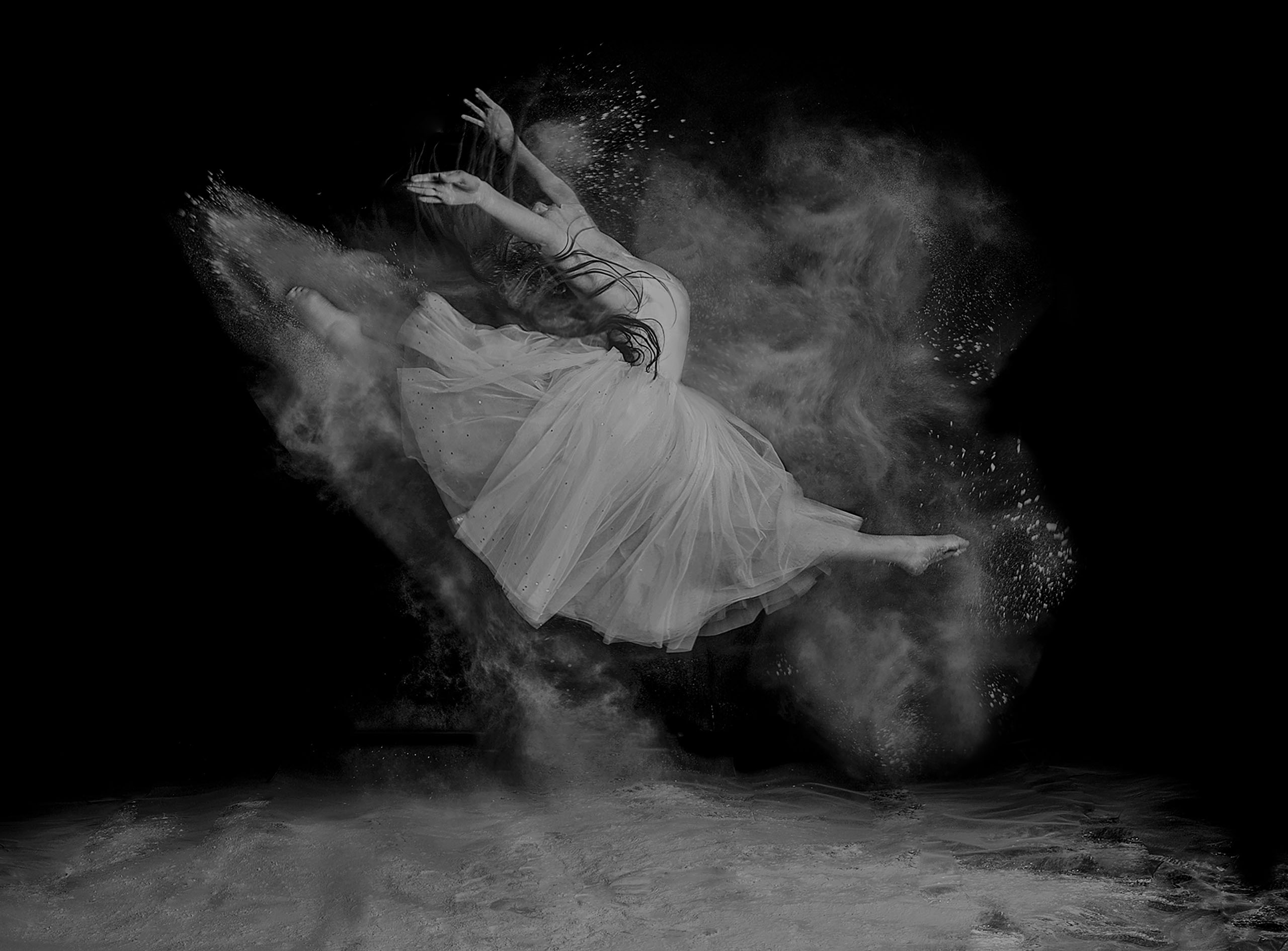
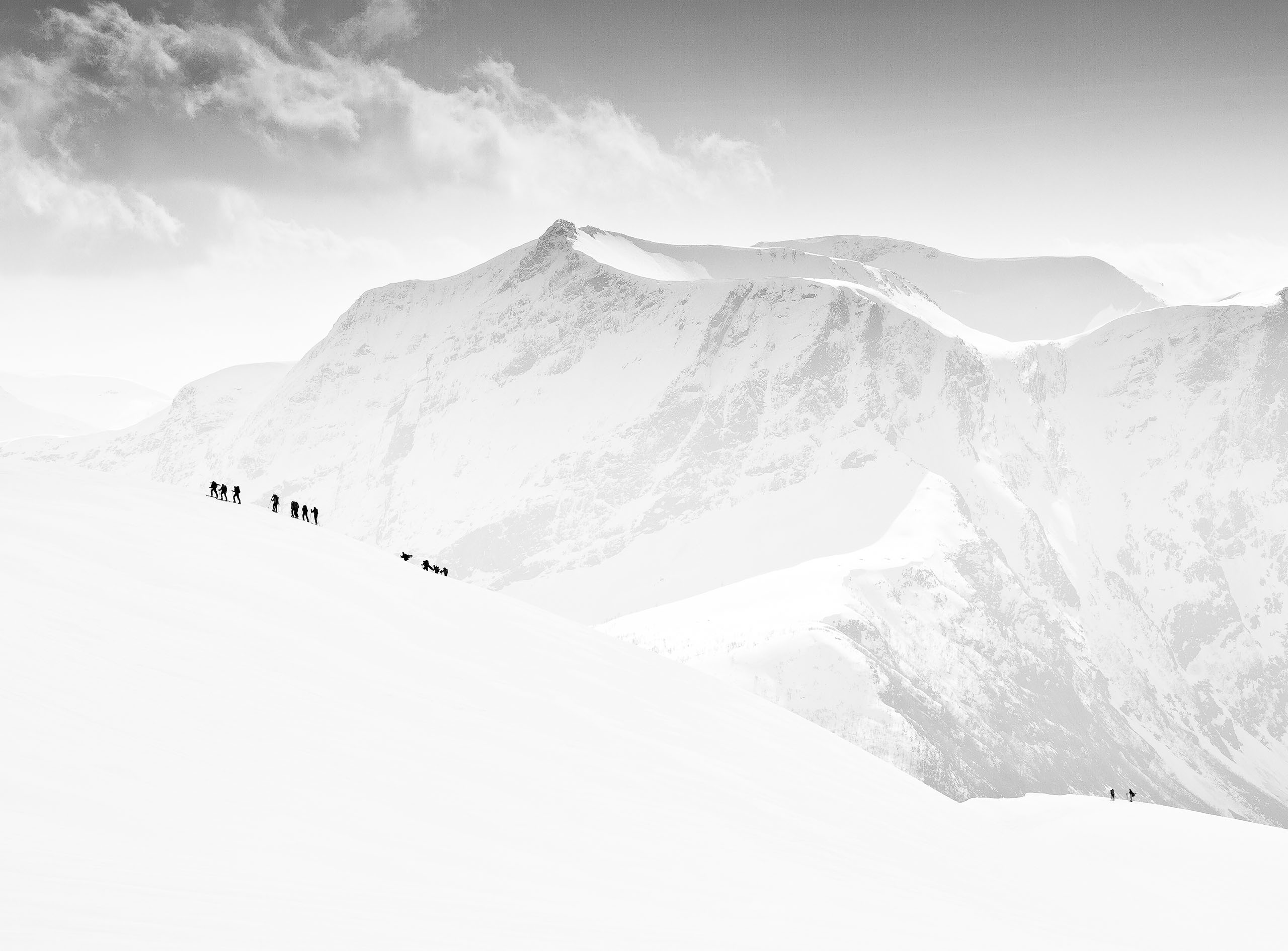
Davide Barzaghi is a contemporary Italian fine-art photographer recognized for his conceptual and evocative imagery. His work often explores human emotions, surreal narratives, and the human form through a minimalist and dramatic lens.
Several of his exhibitions were already featured in the 1x gallery such as
‘Olypmpus has fallen’
Aldilà: the àgalma of the everyday
The Abandoned Future
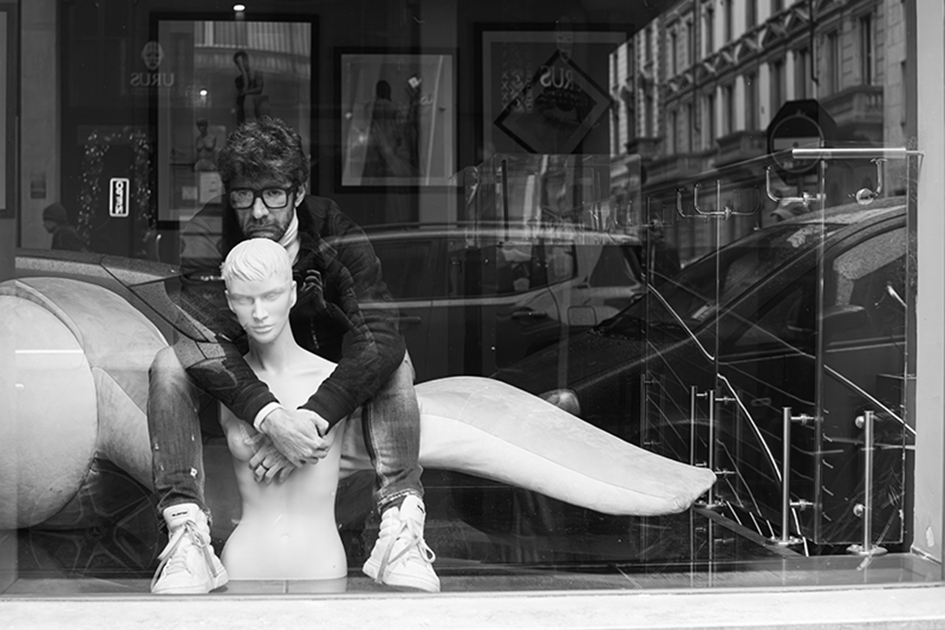 David Barzaghi - Photo taken by Cristian Salmistraro
The theme ‘LOVE’ is an important aspect of Davide Barzaghi’s photography.
Lovers: memories of the future, is the title of a series of exhibitions this year in musea and art galleries.
This project is curated by Roberto Mutti, problably the most important curator in Italy.
It is also interesting in its development as it started as a couple project and finished as an individual reflection about love.
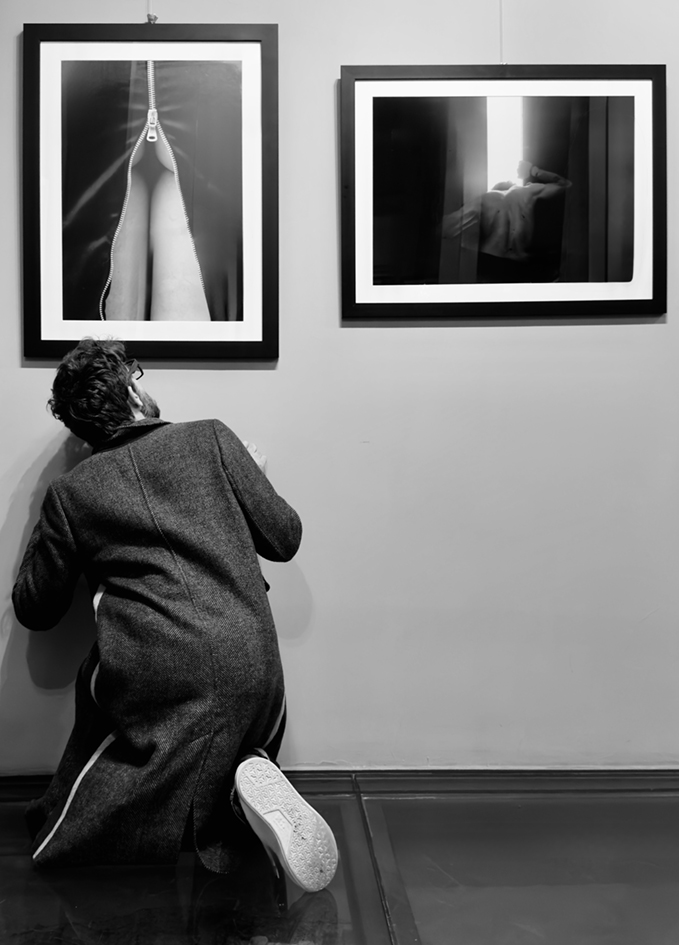
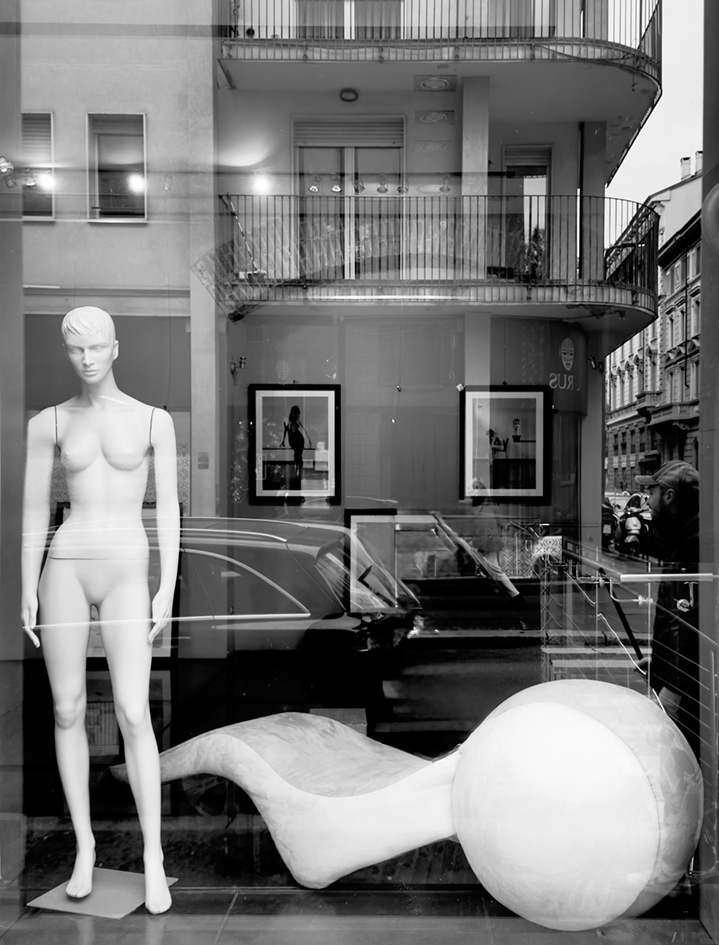
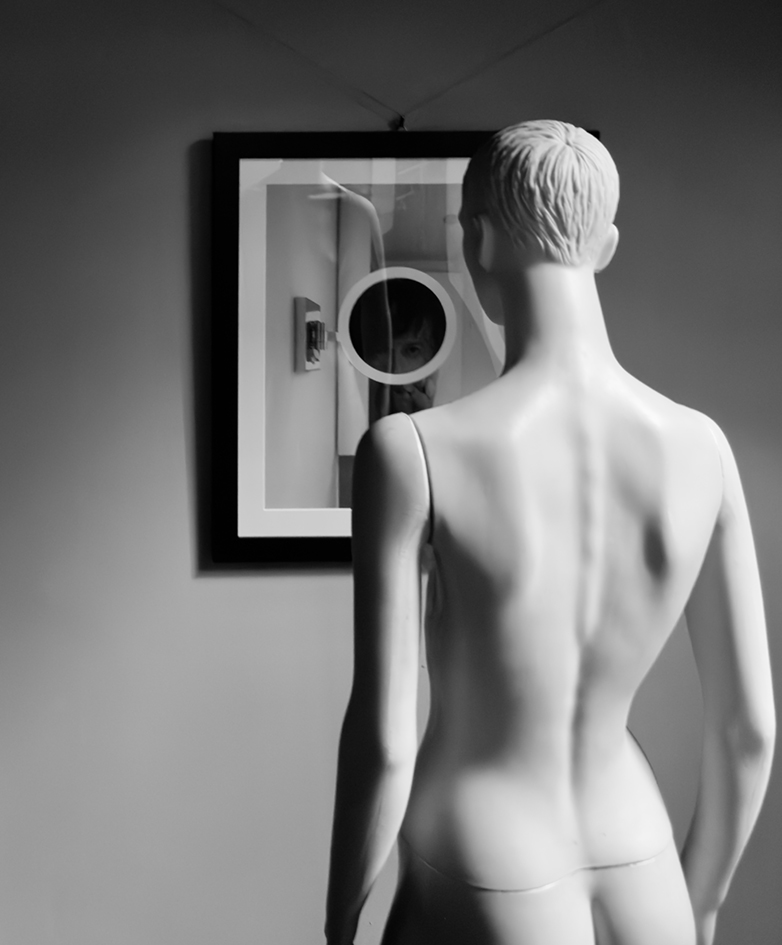
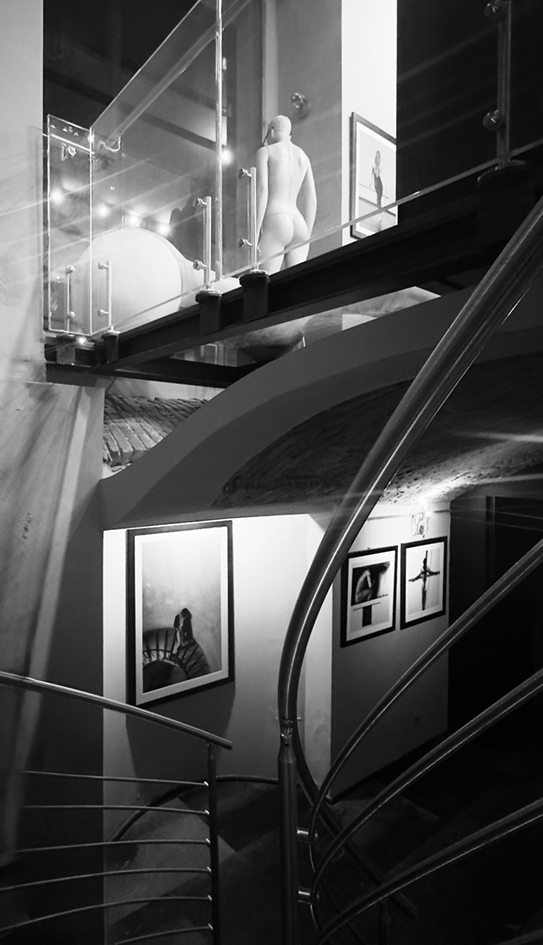
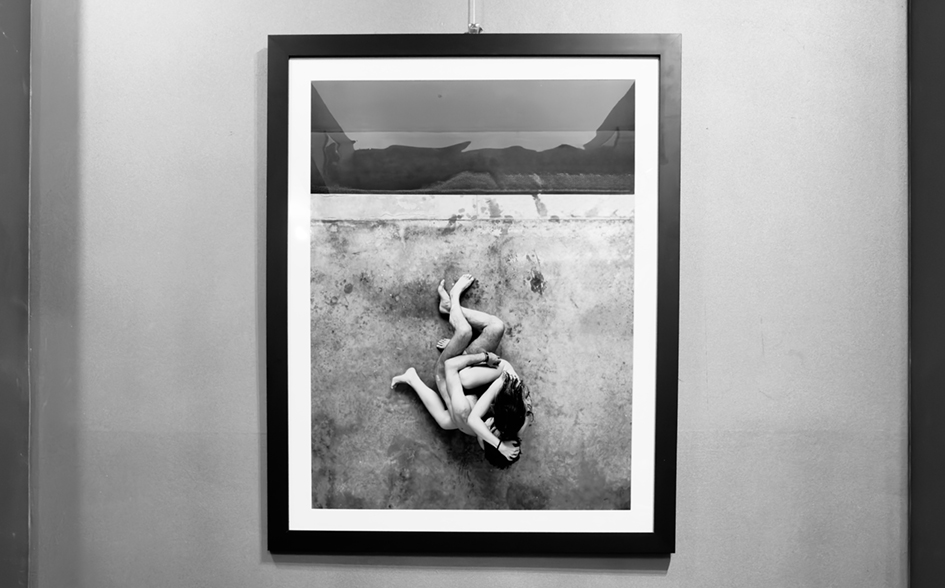
The finissage, edited by Roberto Mutti, happens today, the 14th of February.
Spazio Kryptos , via Panfilo Castaldi 26 – Milano
The exhibition, which opened to great success on Wednesday, January 21st, is coming to an end, but to close on a high note, its creator Davide Barzaghi has decided to stage a performance that, on one hand, recounts its evolution and, on the other, offers a reflection on love, not coincidentally on the day when it is celebrated all over the world.
Conceived as an exhibition that brought together the works of Davide Barzaghi and Daria Tsyban in style and elegance, “Lovers” has, in this short space of time, for personal and artistic reasons, been transformed into a solo exhibition by the author, who, with the evocative subtitle “Memories of the Future,” wanted to engage the public in a lively dialogue.
On Saturday, February 14th, he will allow visitors to wander among the images, admirably printed in black and white, capable of conveying all the nuances of life, and to confront the emblematic presence of a mannequin. Then he himself will bring the performance to life in a transformed Spazio Kryptos, placing two chairs facing each other. The author will sit on one chair, holding a frame containing a photograph taken from the wall and replaced by a large sheet of paper printed with the words “Memorie di futuro” (Memories of the Future), while visitors will take turns sitting on the other chair.
With carefully studied gestures, Davide Barzaghi will tear the photograph into pieces that will be given to all those who have sat opposite to him. Let's imagine we are there: now the image has been fragmented and has also begun a metaphorical journey.
Next year, on February 14th, 2027, at 6:30 p.m., we will meet in the gallery with the aim of putting those fragments back together. We cannot know if the entire work will be recomposed or if only some parts will remain, if it will still be visible as before or if details will survive floating in nothingness.
But, after all, isn't this the fate of memory and often of love as well?
Some of the exposed works
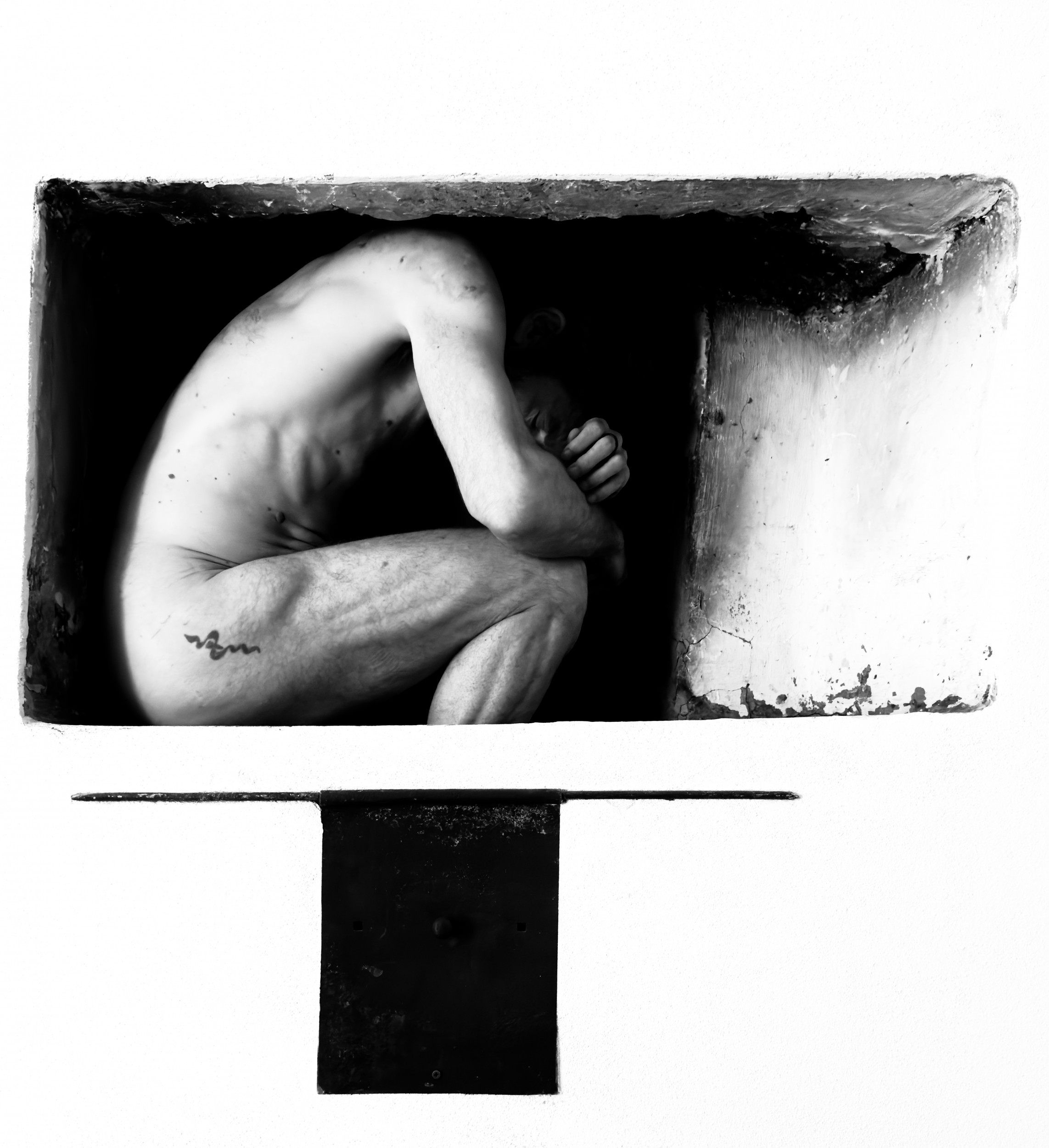 In my Hat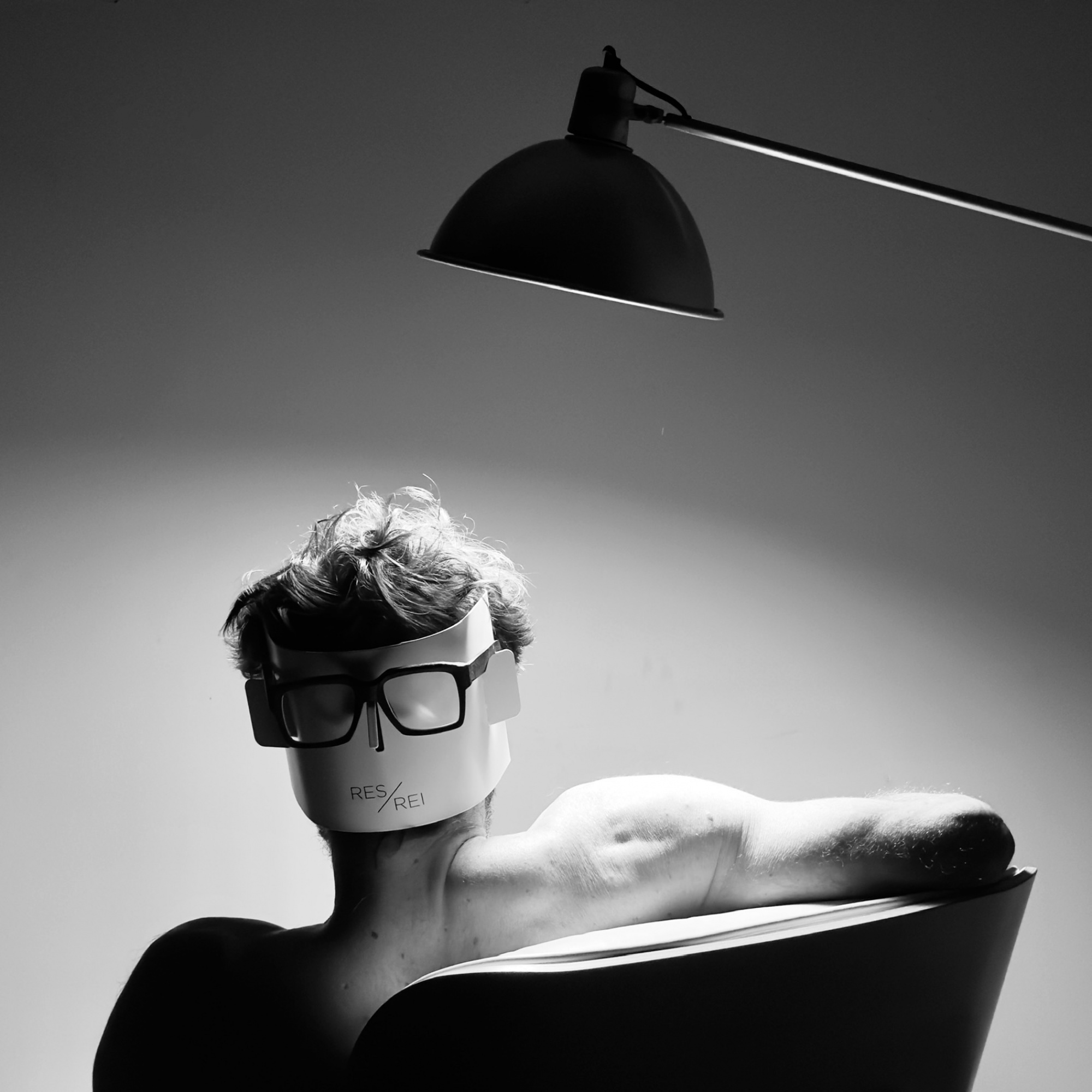
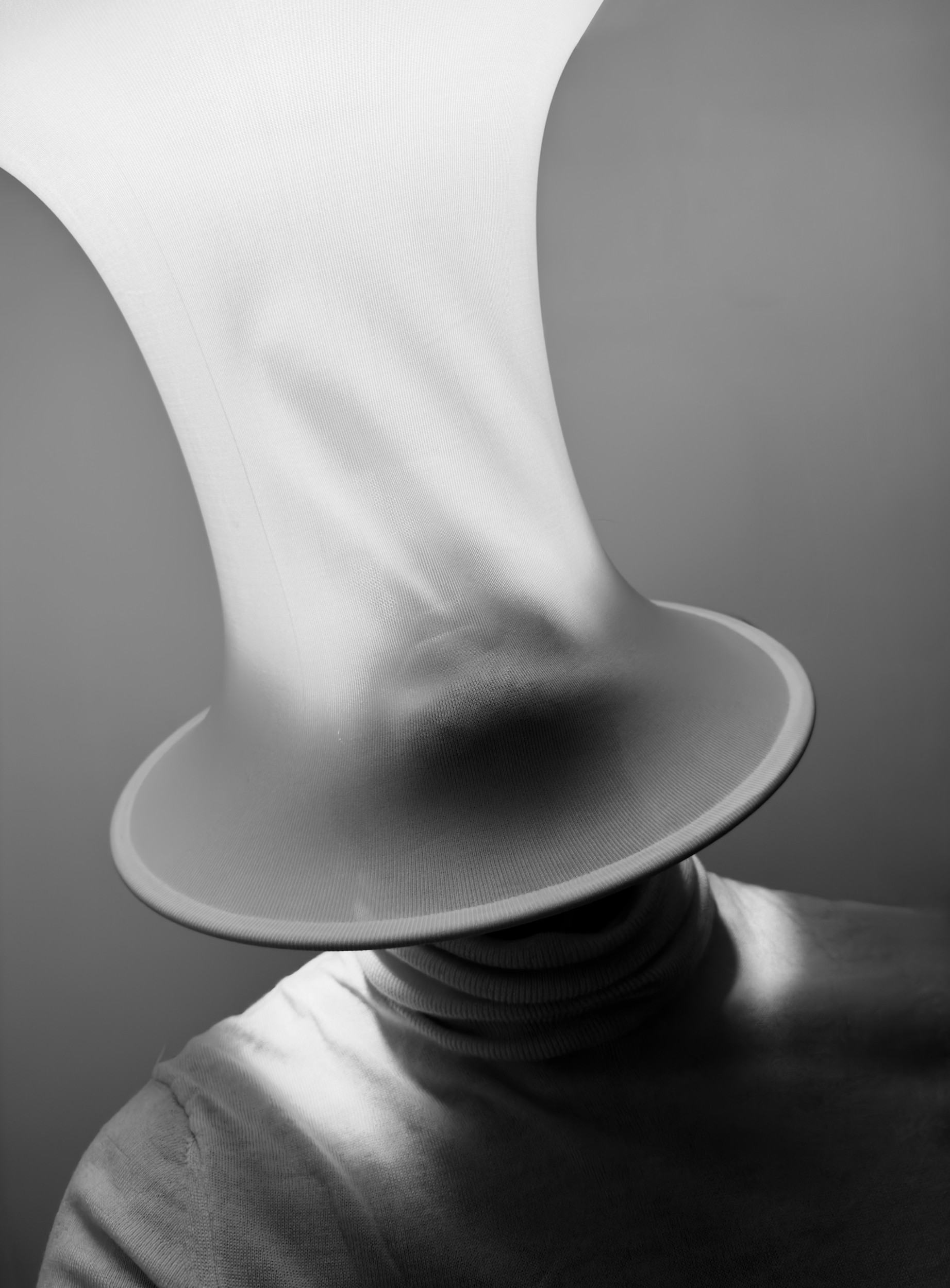 immaginazione
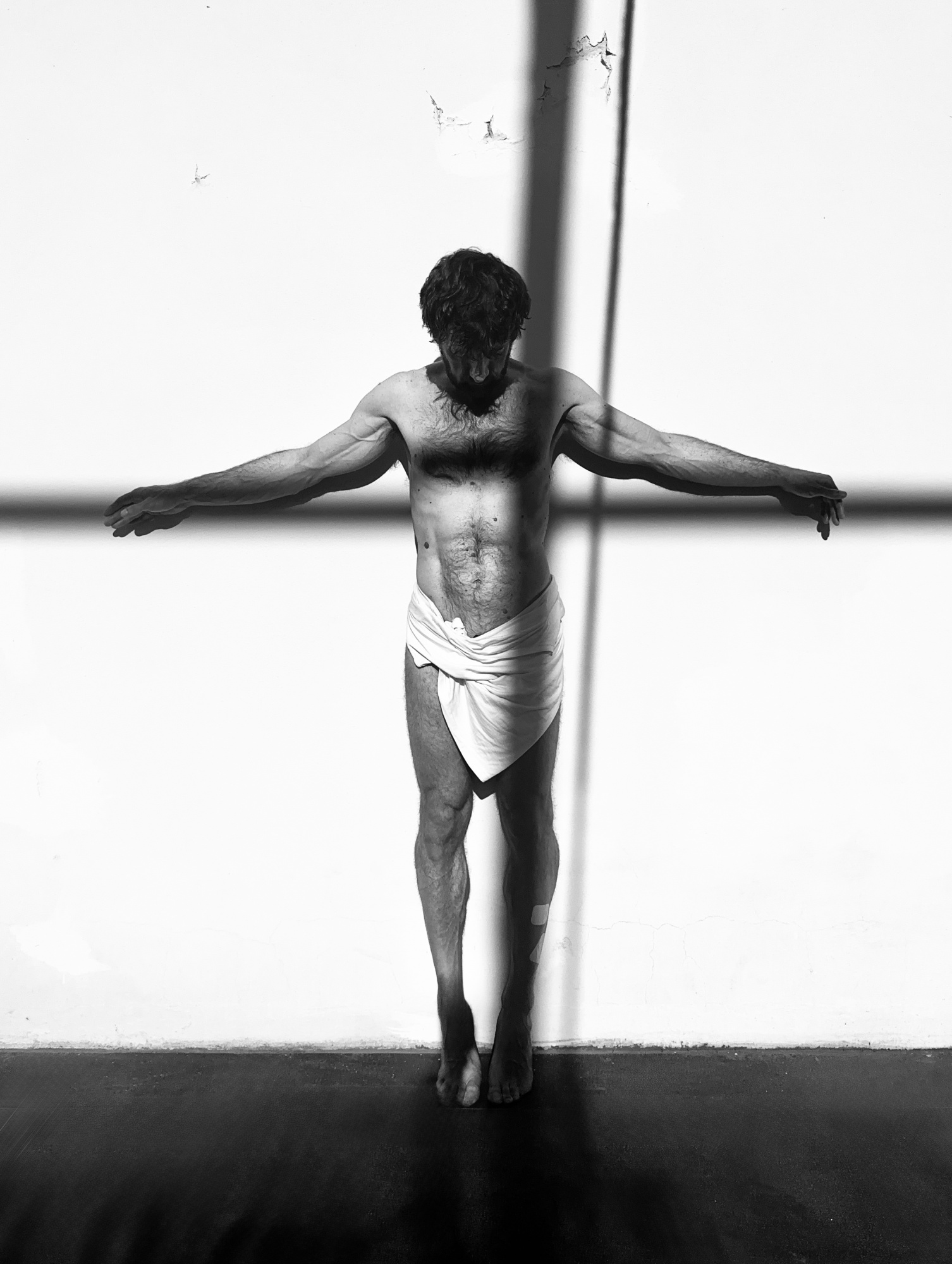 All Human
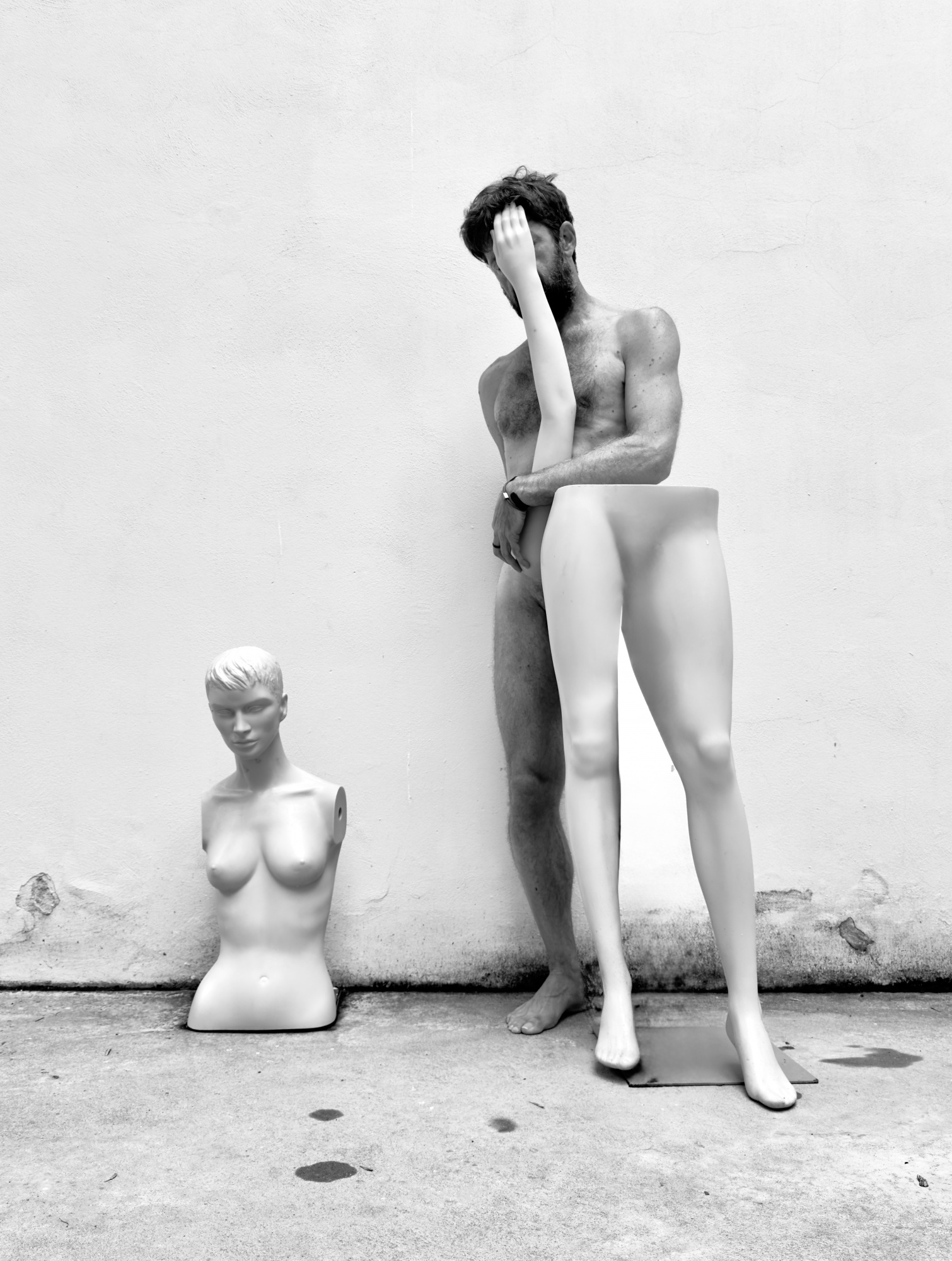 Wait
Wait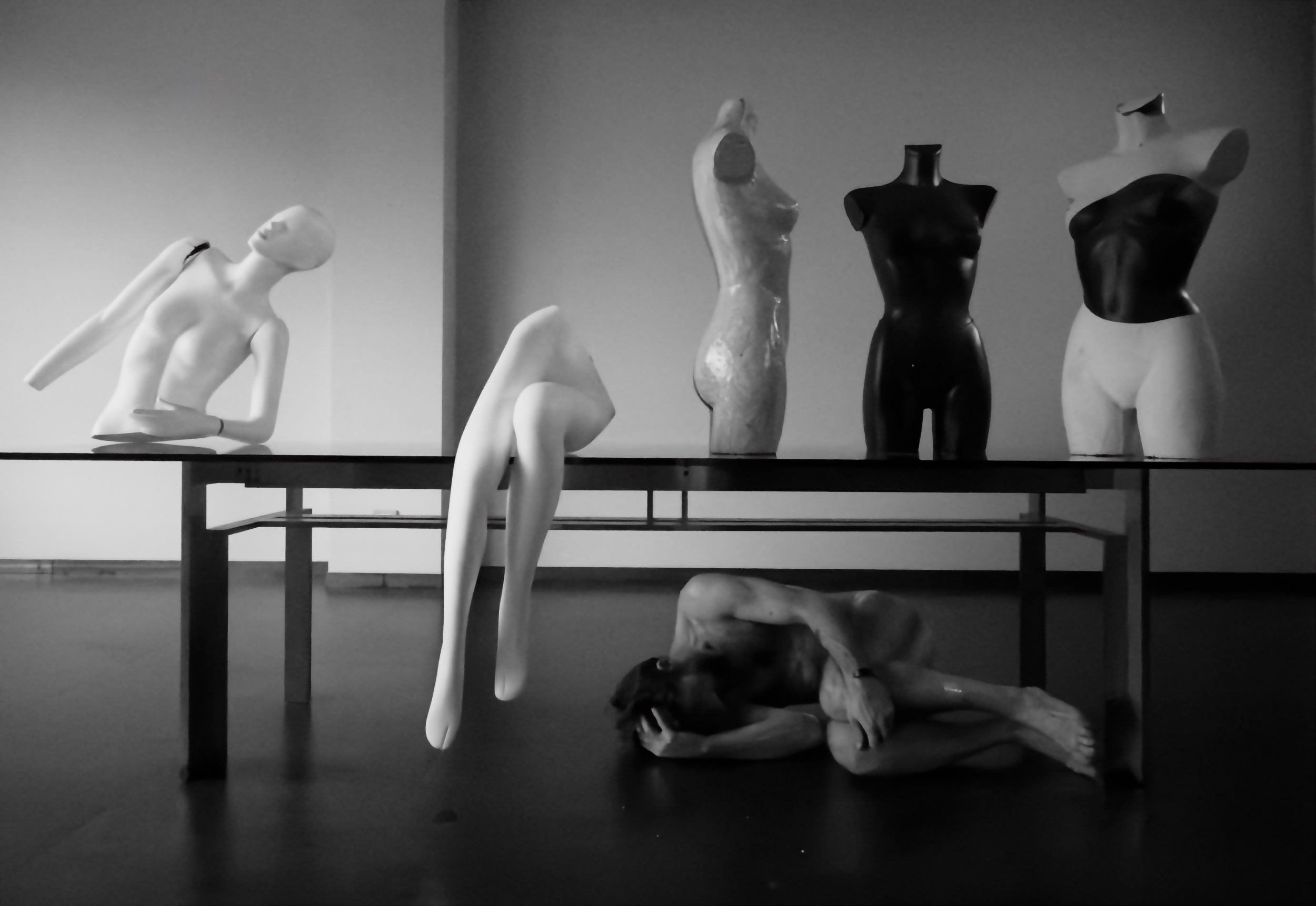
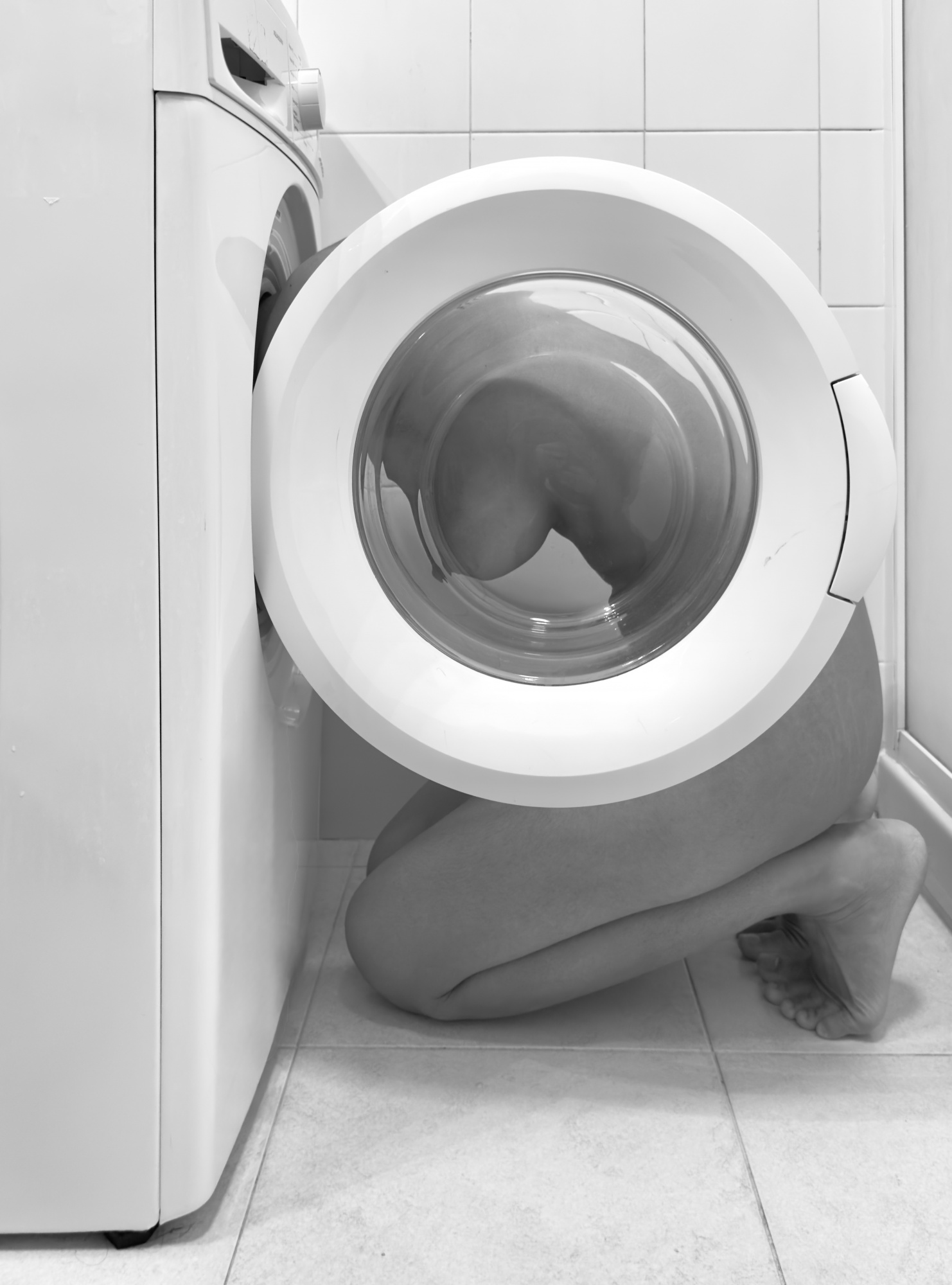 Bathroom, Pt 3
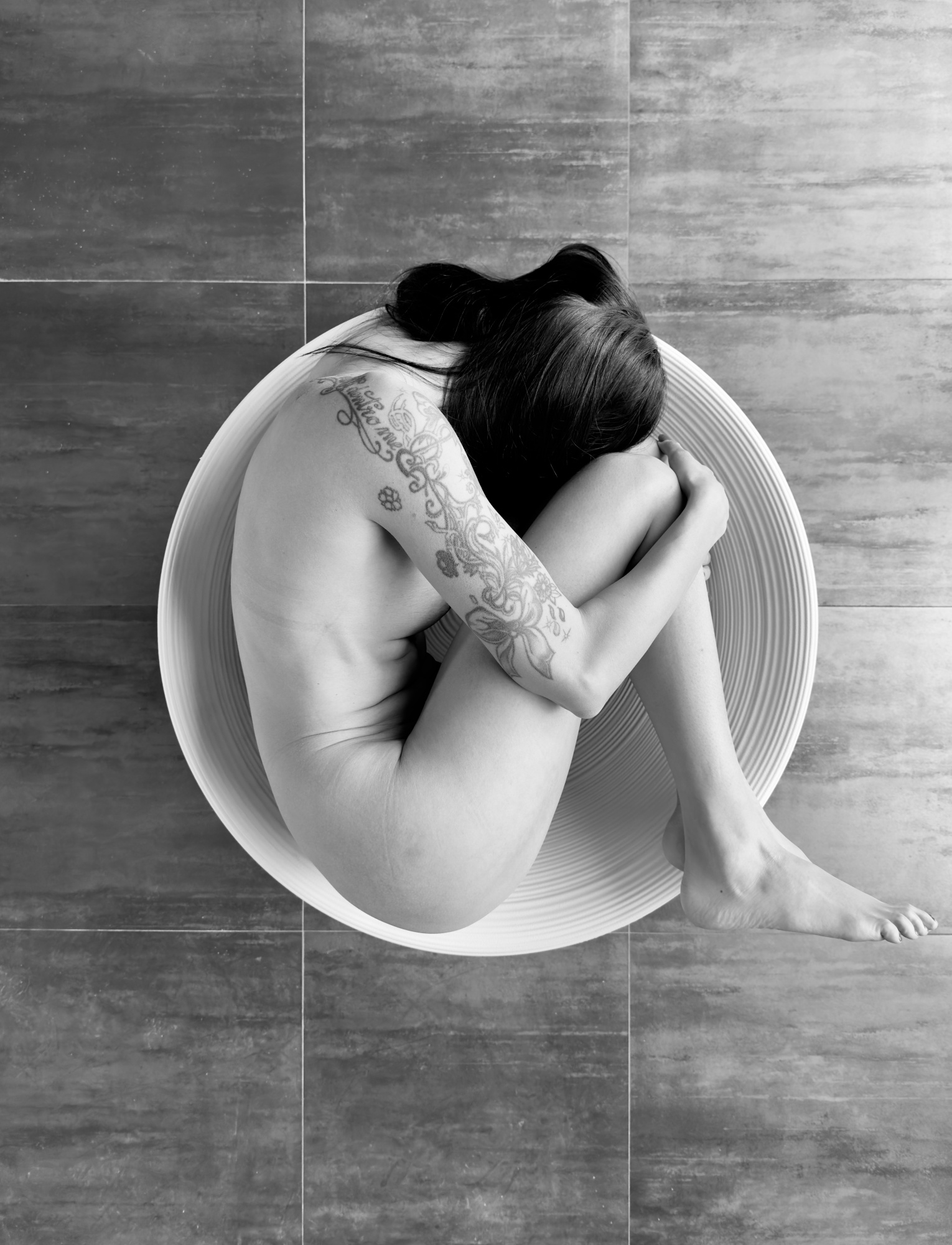 La Bambola
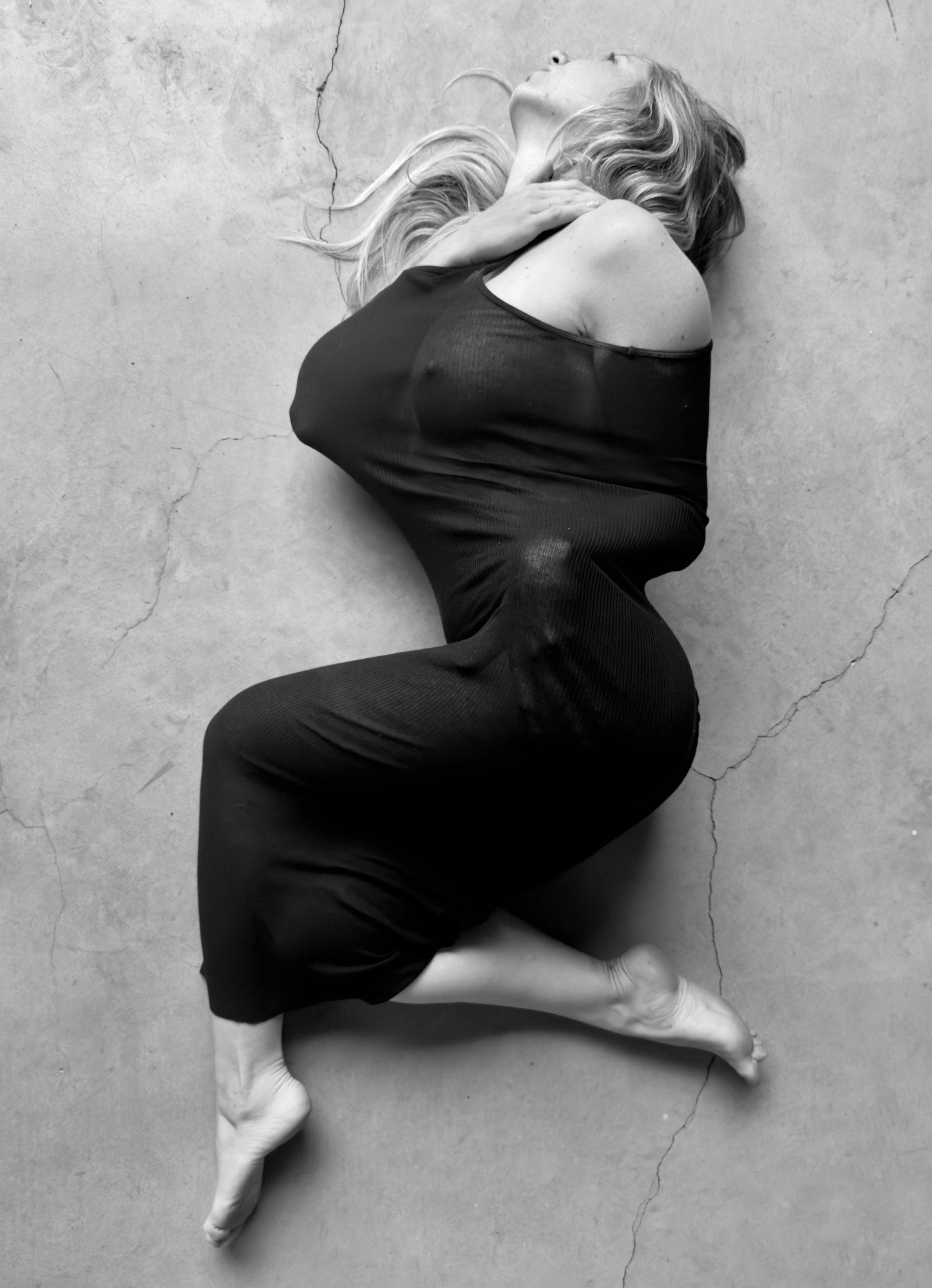 Ossessione
 Aldila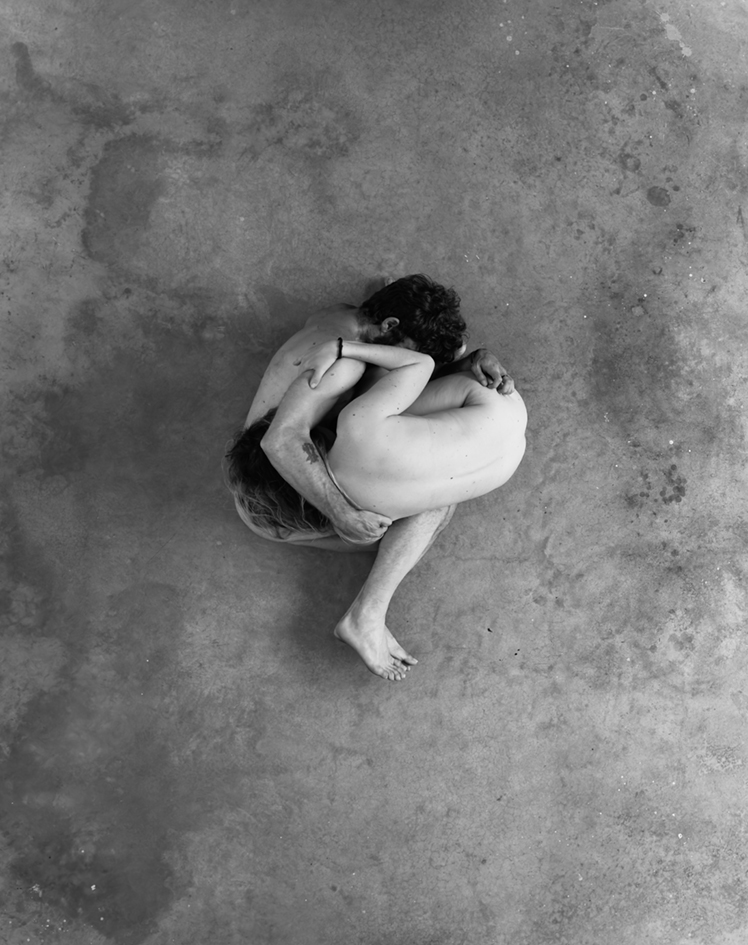
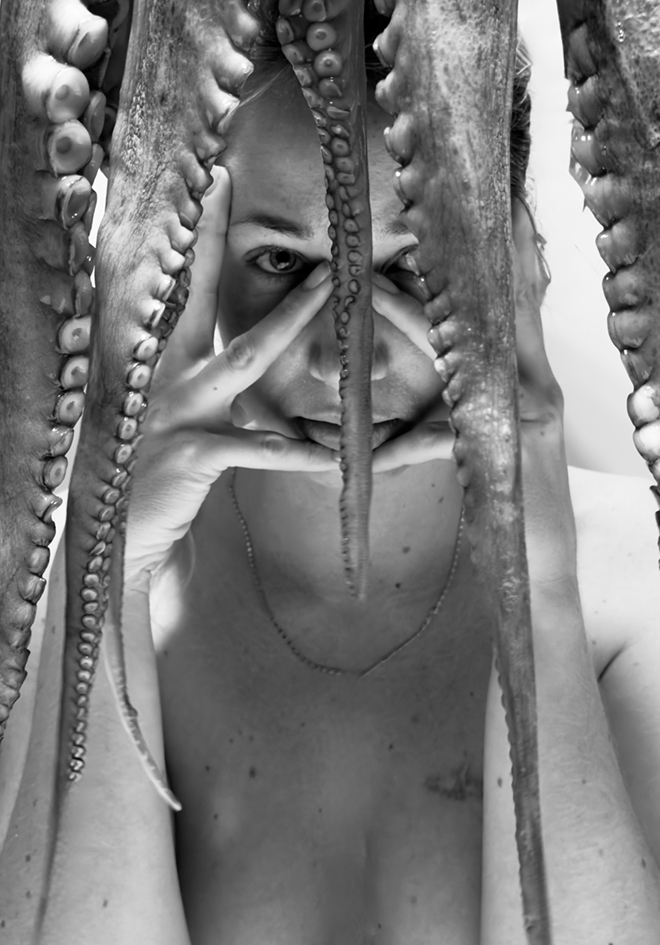
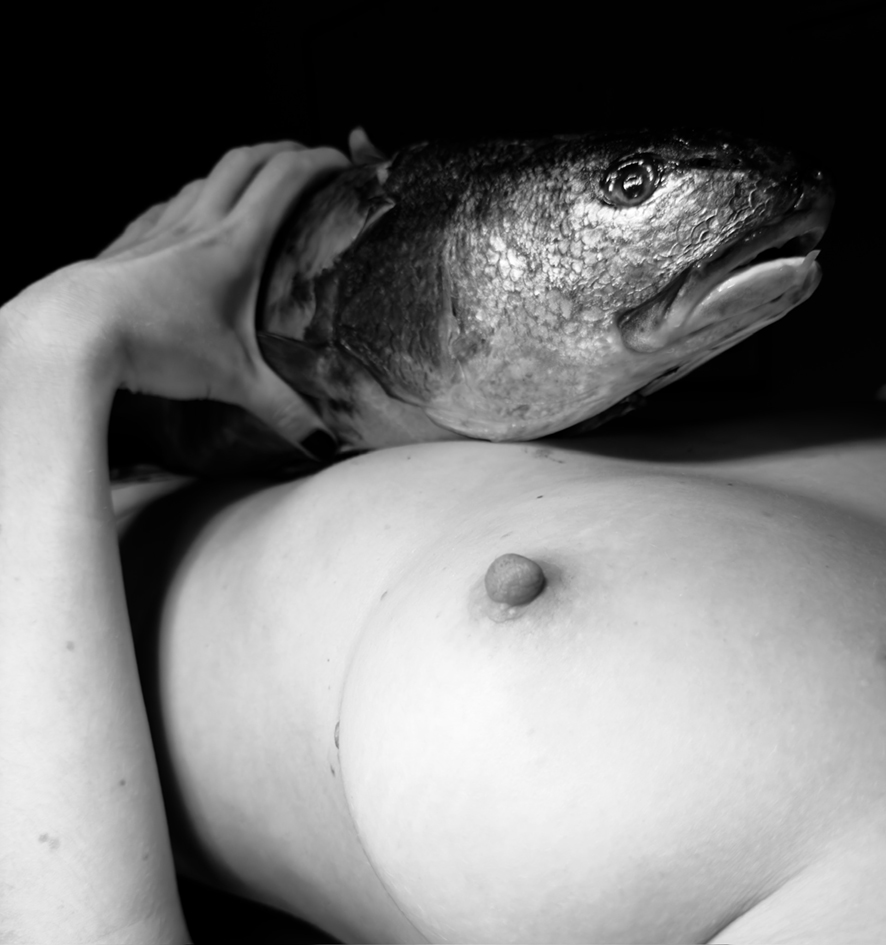
REVIEWS
Although the use of black and white in photography is often considered a technical choice, for many artists it is actually the result of a conscious search for the best way to escape the constraints of reality and delve into the folds of possibility. Davide Barzaghi knows this well, having skillfully exploited all the nuances of black and white to create a dreamlike world in which bodies move to give life to the intriguing story of a relationship that sees him as both the author and protagonist of the images, but also ready to take on the role of guide, capable of leading us to perceive the dynamics of feelings.
Thus, from the outset, we are mesmerized by the framed photograph of a single eye so large that it hides the body of the man who struggles to carry it without being able to see it, even though we sense that he perhaps perceives it as a destiny or an omen. If it is true that a story like this has a strong theatrical component, it must necessarily open with the image of a curtain, here personified by a zipper that, when opened, reveals the dazzling beauty of a female body. From now on, the images follow one another without following a linear path but following the rhythm of jazz music, where moments of suspension alternate and the gaze lingers on a woman sitting with her back to the camera in a moment of waiting, to others of variations on the theme interpreted by bodies that intertwine, seek each other, and chase each other. Here and there, tributes appear to a metaphysics that the author knows how to render ironic in the role-playing game with the mannequins, as well as to surrealism, represented here by the sudden appearance of a large fish that rests on the woman's body, establishing a subtle and intense visual reference between its eye and her nipple that vibrates like a string. But the real protagonists are the two bodies moving within a space that now narrows to bring them closer and now widens to distance them in a dialectic that, on one hand, emphasizes what they have in common and, on the other, alludes to their differences. The male body is curled up in a cavity that is part refuge and part prison, while the female body, although in a similar situation, seems ready to spring out with a plastic movement, the same with which she sinuously frees herself from her dress, slipping out of it to reappear like an Aphrodite rising from the sea foam. Meanwhile, he is all scrutiny: he does so perhaps almost painfully, leaning out into the light after struggling to open a passage, through glass ruined by time and another broken by who knows whom and why. Finally, he does so by casting a knowing glance, which is returned, before the two bodies recognize each other in an approach that resembles a farewell. And that hand that reaches out and now finds an empty space becomes a symbol of that feeling of nothingness that every ending brings with it.
~Roberto Mutti~
The story of love has been told so many times that any artist must struggle to find an approach that will stir our imagination and evoke emotion. Davide Barzaghi succeeds here on both counts in a beautiful way, through the use of video interspersed with still photographs. The initial images are extremely intimate, conveying the passion of a new love affair, and as the work develops we see details, moments, hands that join together and then reach out in vain. The departure of the woman followed by the portrayal of the man's pain is hard to watch without feeling. My personal reaction is one that welcomes the idea that men, traditionally thought of as strong and unemotional, are just as vulnerable as women when it comes to the breakdown of a relationship. In this work, the woman seems so confident and at ease with herself as she walks away, and it is the man whose heart is broken. This is a genuinely beautiful film, creative, artistic and thoughtful, that covers a relationship in depth and moments that stay with us and reach out to us.
~Elizabeth Allen~
In Davide Barzaghi’s work, monochrome becomes a language of its own, one that removes distraction and invites the viewer into a suspended, almost timeless space where feeling takes precedence over fact. Davide constructs a deeply personal narrative, positioning himself not only as the creator of the images but also as their subject. His presence is not performative; rather, it functions as a quiet guide through the emotional terrain of a relationship. Bodies move through light and shadow, gestures replace dialogue, and what unfolds is less a literal story than an emotional journey—one that feels intimate yet universally recognizable. What distinguishes Barzaghi’s work is his ability to renew our engagement with this familiar subject.
The moment of separation marks a profound emotional turning point. The woman’s departure is portrayed with a sense of composure and self-assurance, while the man is left exposed in his vulnerability. This reversal of traditional emotional roles is one of the work’s most striking aspects. Barzaghi does not shy away from portraying male fragility, instead embracing it as an honest and necessary part of the story. The pain that follows is raw and deeply affecting, inviting empathy rather than spectacle. Ultimately, his images are not simply about the end of a relationship, but about the emotional traces it leaves behind. It is thoughtful, sensitive, and visually compelling, offering moments that linger for a long time. Barzaghi’s work reaches out to the viewer, reminding us that love—whether found or lost—remains one of the most powerful forces we experience, and one of the most difficult to let go.
~Yvette Depaepe~
 | Write |
 | joanaduenas PRO I'm blown away by these fantastic images, I love it!!
Thank you again for your dedication to this wonderful interview. |
 | Davide Barzaghi CREW Thanks dear |
 | txules PRO What a powerful set of pictures¡¡. Congrats¡¡ |
| Davide Barzaghi CREW Thanks dear friend |
 | Yvette Depaepe CREW Dear Davide, your monochrome work becomes a language of its own, one that removes distraction and invites the viewer into a suspended, almost timeless space where feeling takes precedence over fact. Your images have a deeply personal narrative. Your presence is tangible moving through the emotional terrain of a relationship. Bodies move through light and shadow, gestures replace dialogue, and what unfolds feels intimate yet universally recognizable. You have this unique ability to renew our engagement with love. My very best compliments, Davide! |
| Davide Barzaghi CREW Such a honor Yvette |
 | Vladimir Funtak PRO Bravo Davide! The last one, lady and the beast strike me most, this one I will remember. The deepest wounds can be inflicted by those we love, we cherish, we need. No love, no hurts. But we are not designed to be alone. A perfect plastic body can be owned but feelings can not. Replacing a human being with an artificial one will be the last step of a mankind. |
| Davide Barzaghi CREW I’m afraid… |
 | DonnaHom APA PRO The expression of love is unique and artistic. Monochrome tone is applied so appropriately. I viewed some of the images before this magazine was published, it gave me the unforgettable memory of the art. The staging of the images are creative. Congratulation to Davide’s accomplishment and the great success of the exhibition. |
| Davide Barzaghi CREW Thanks dear |
 | Elizabeth Allen CREW It's a great honor for me to have my review included here and I only wish I could have visited the exhibition in person. Huge congratulations, Davide, and sincere good wishes for today's closing event. I look forward to seeing more photos! |
| Davide Barzaghi CREW Thanks dear Liz |